Detect early. Decide with confidence.
In-service Acoustic Emission inspection that detects and locates active corrosion and crack growth in tanks, vessels and critical structures — often without draining or shutdown.

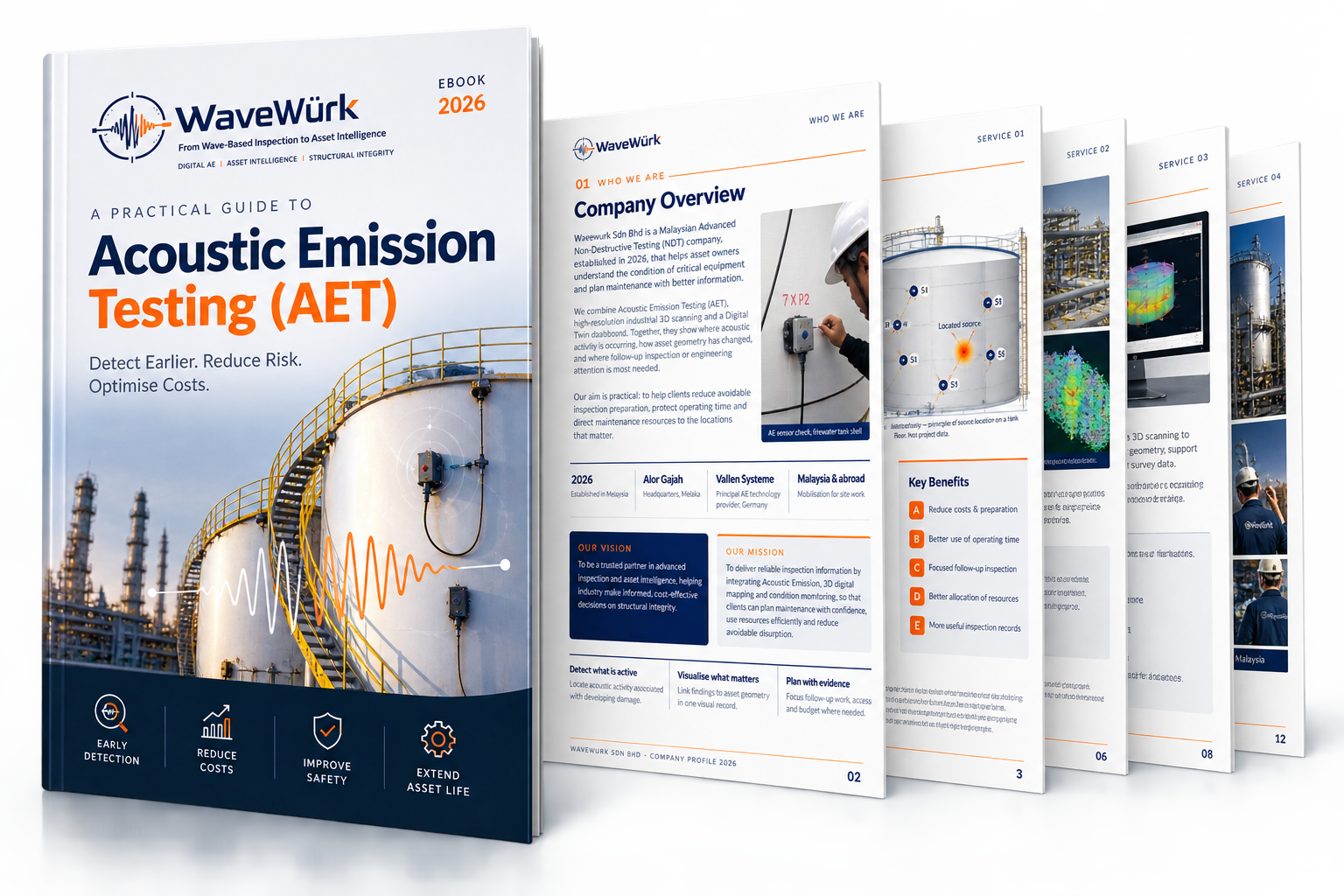
Wavewurk Sdn Bhd is a Malaysian Advanced Non-Destructive Testing (NDT) company, established in 2026, that helps asset owners understand the condition of critical equipment and plan maintenance with better information.
We combine Acoustic Emission Testing (AET), high-resolution industrial 3D scanning and a Digital Twin dashboard. Together, they show where acoustic activity is occurring, how asset geometry has changed, and where follow-up inspection or engineering attention is most needed.
To be a trusted partner in advanced inspection and asset intelligence, helping industry make informed, cost-effective decisions on structural integrity.
To deliver reliable inspection information by integrating Acoustic Emission, 3D digital mapping and condition monitoring, so that clients can plan maintenance with confidence, use resources efficiently and reduce avoidable disruption.


From the first sensor on the shell to the digital twin on your screen.

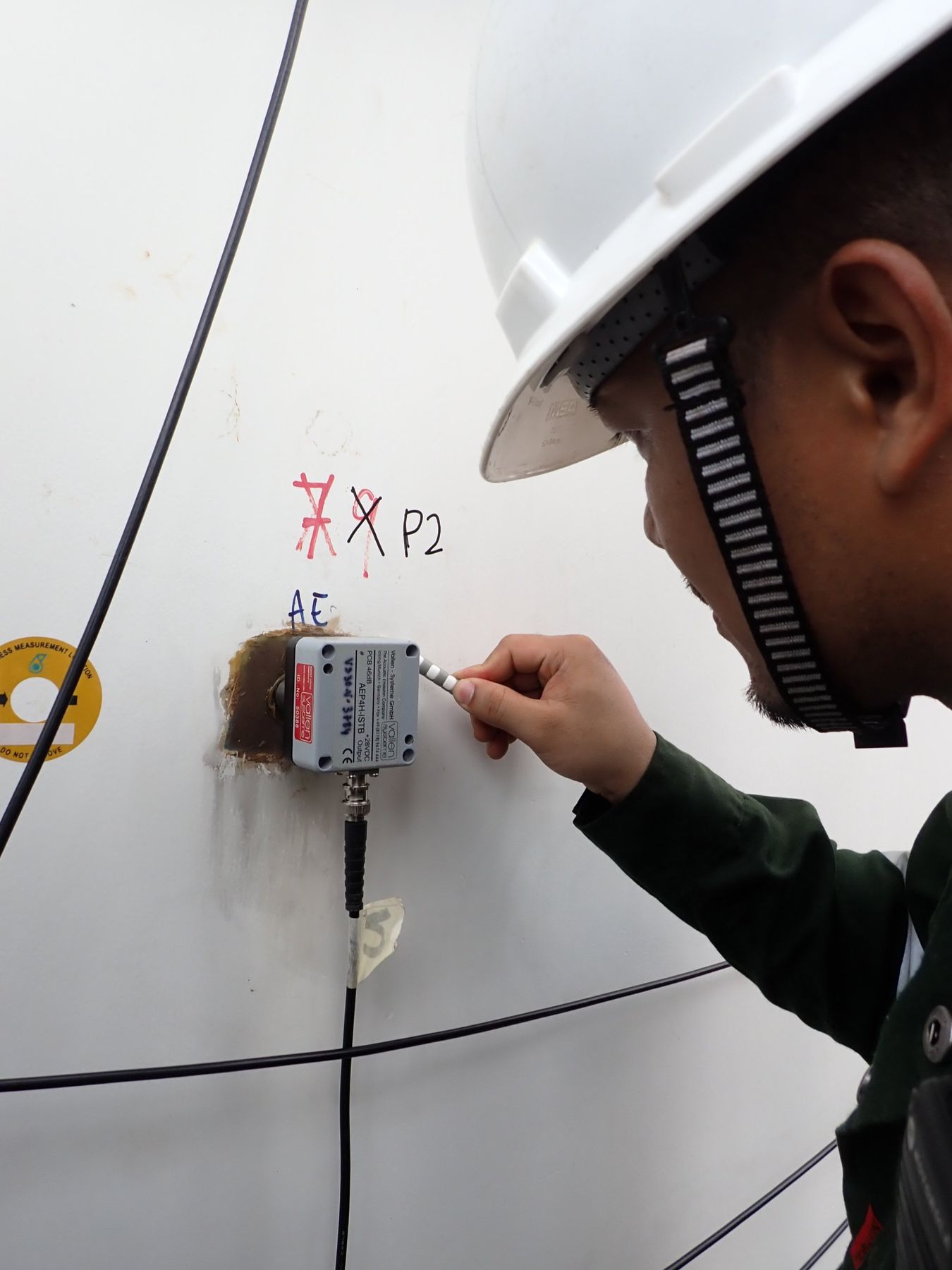
Advanced non-intrusive inspection that detects and locates acoustic activity associated with active corrosion, crack propagation and other developing structural defects.
Whether it is a storage tank, a pressure vessel, a gas line or a composite structure, AET listens to the whole asset at once from the outside, and usually asks for much less preparation than a conventional inspection.

The floor is the part of a tank you can least afford to guess about and can least easily see. AET listens to it through the shell, so the tank can stay in service while we look for floor corrosion that is still active.
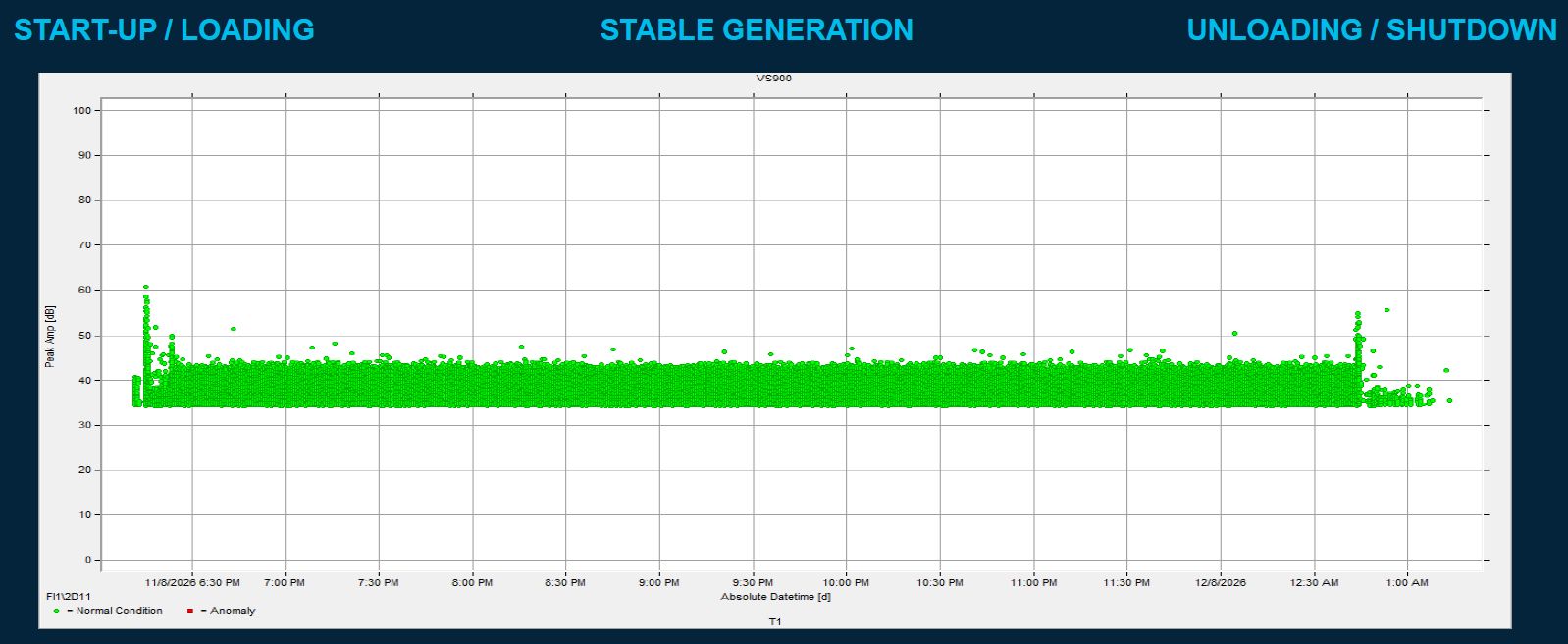
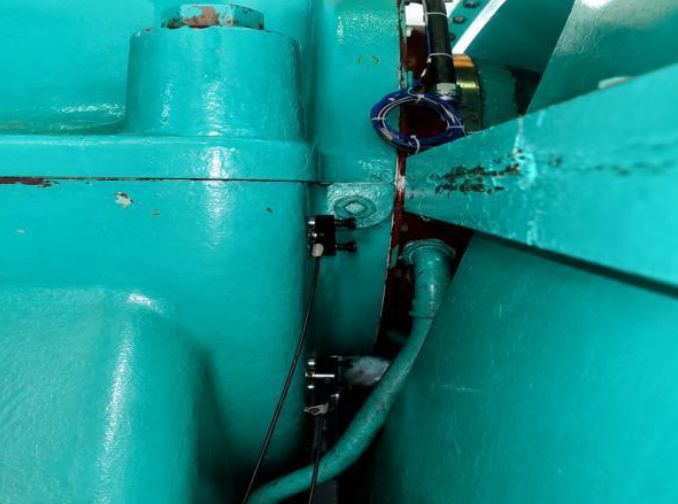
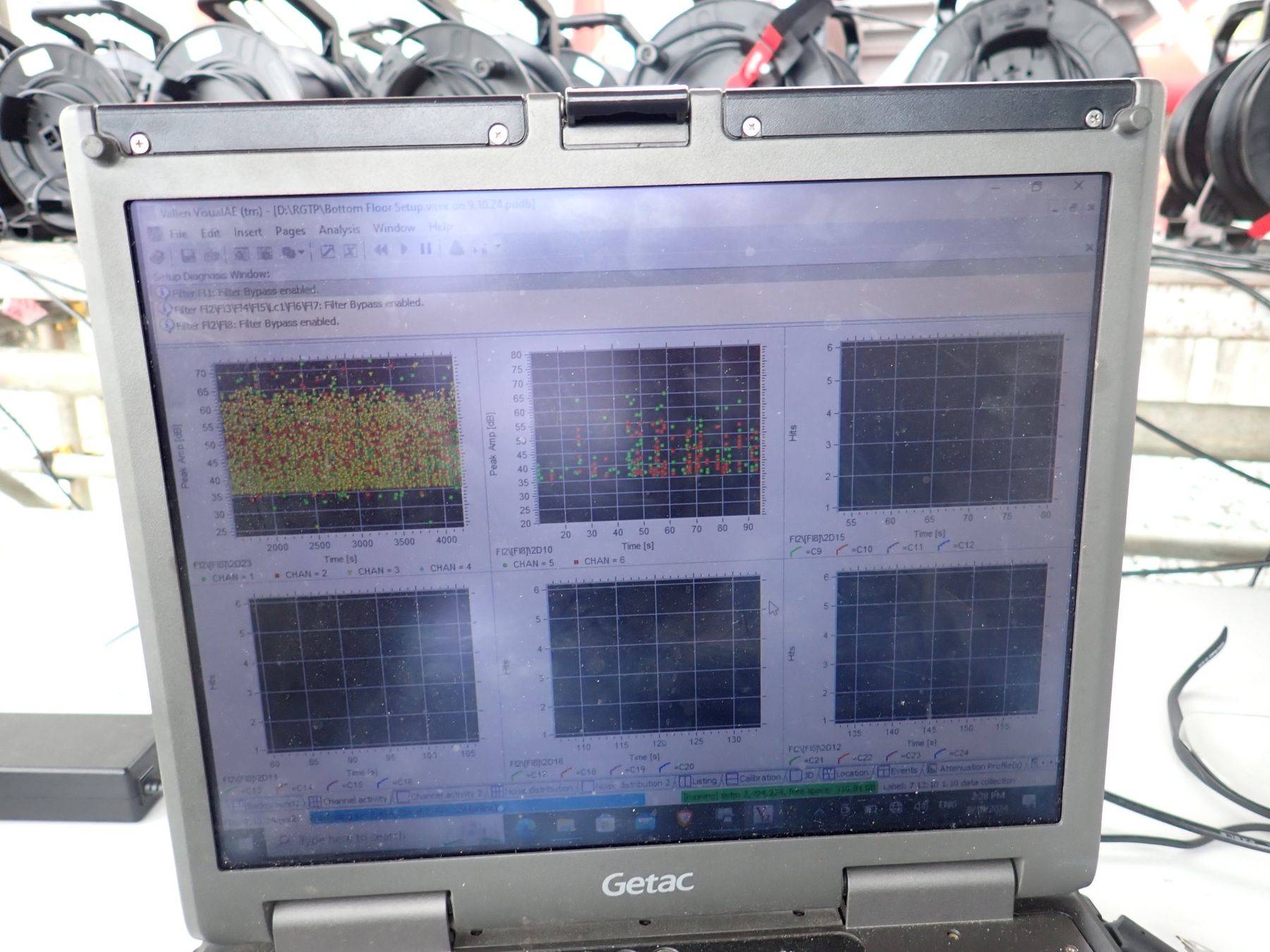
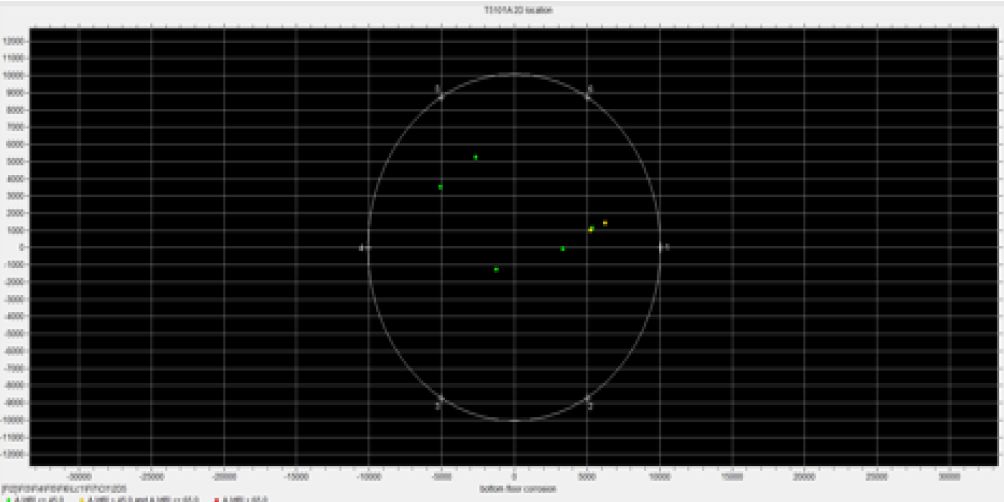
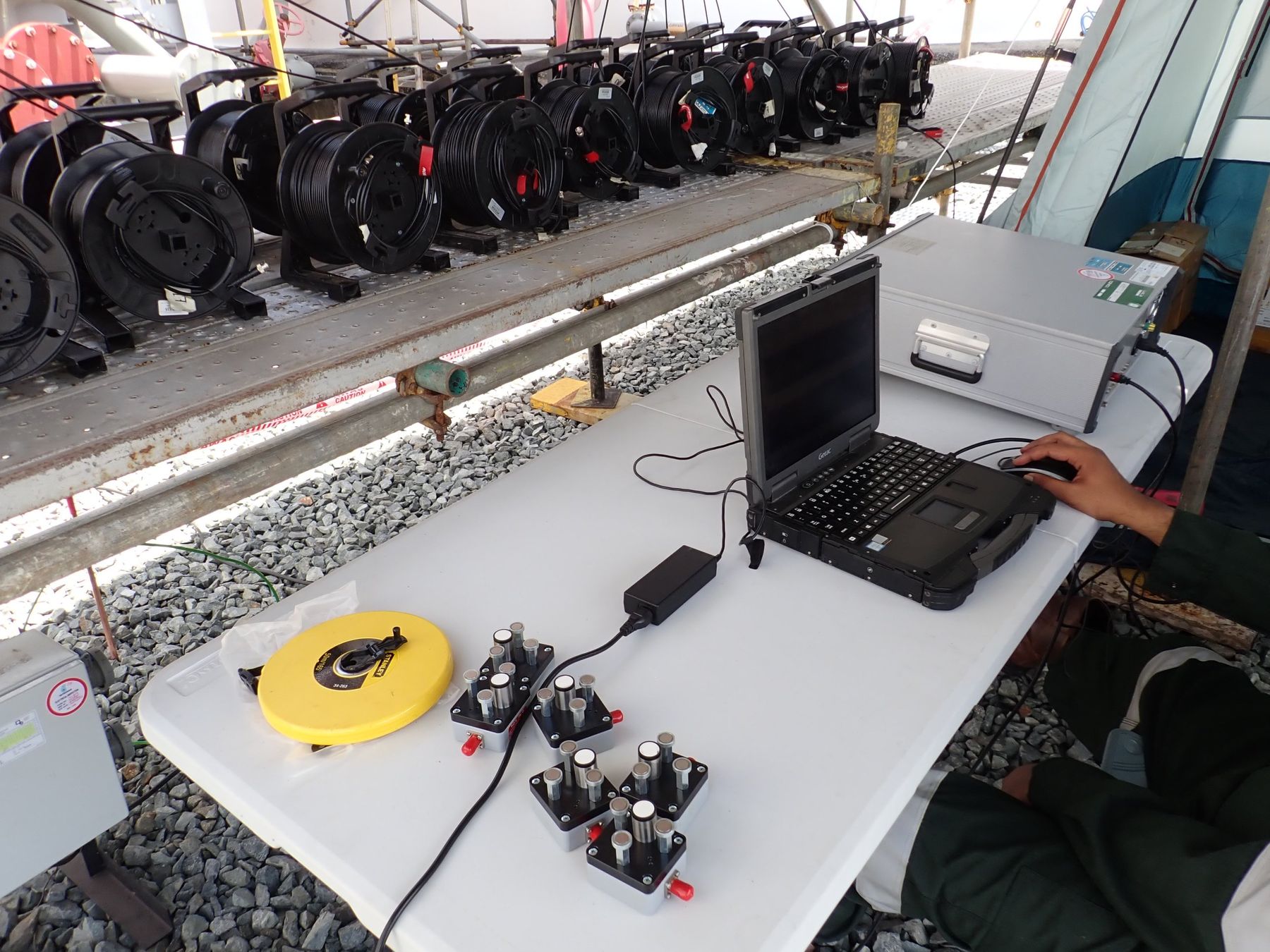
Active corrosion and growing cracks release stress waves. Our sensors capture each event and locate its source. Amplitude, event count and clustering are evaluated together to classify each source from Class A to D — showing where damage is active during the test.
Animated illustration of typical AE location output. Real client results are shown in our case studies.
How to read AE results →| Class | Definition | Significance | Recommended action |
|---|---|---|---|
| Class A | Non-significant source | Not significant | No further action |
| Class B | Weak active source | Minor | Record for future comparison |
| Class C | Active source | Significant | Prioritise for follow-up with other NDT methods |
| Class D | Very active source | Critical | Immediate follow-up with other NDT methods |
Classification criteria are defined in the agreed inspection procedure and evaluated by qualified personnel. AE indicates active sources; findings are verified with complementary methods before repair decisions.
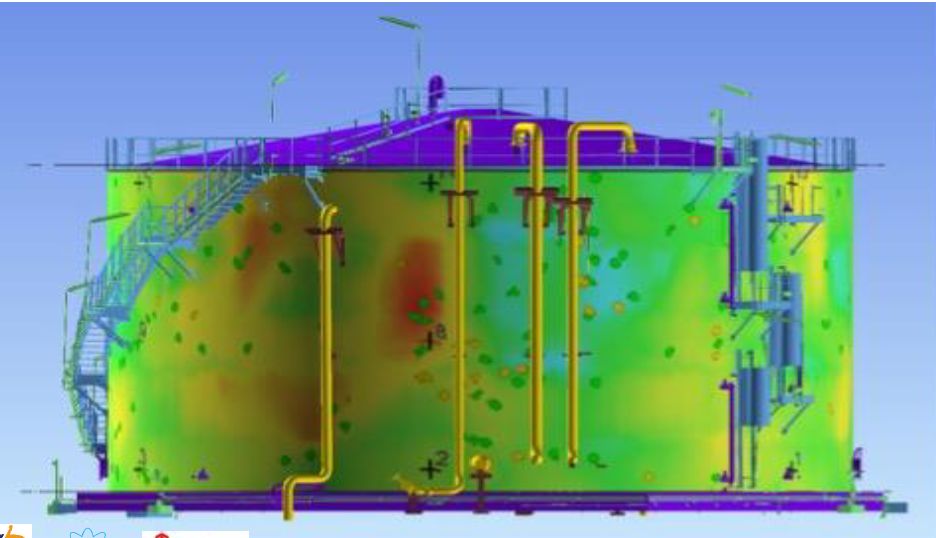
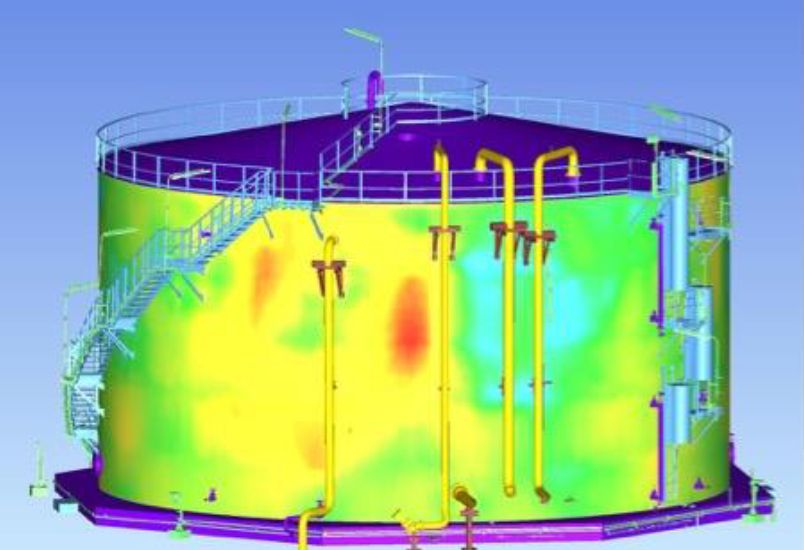
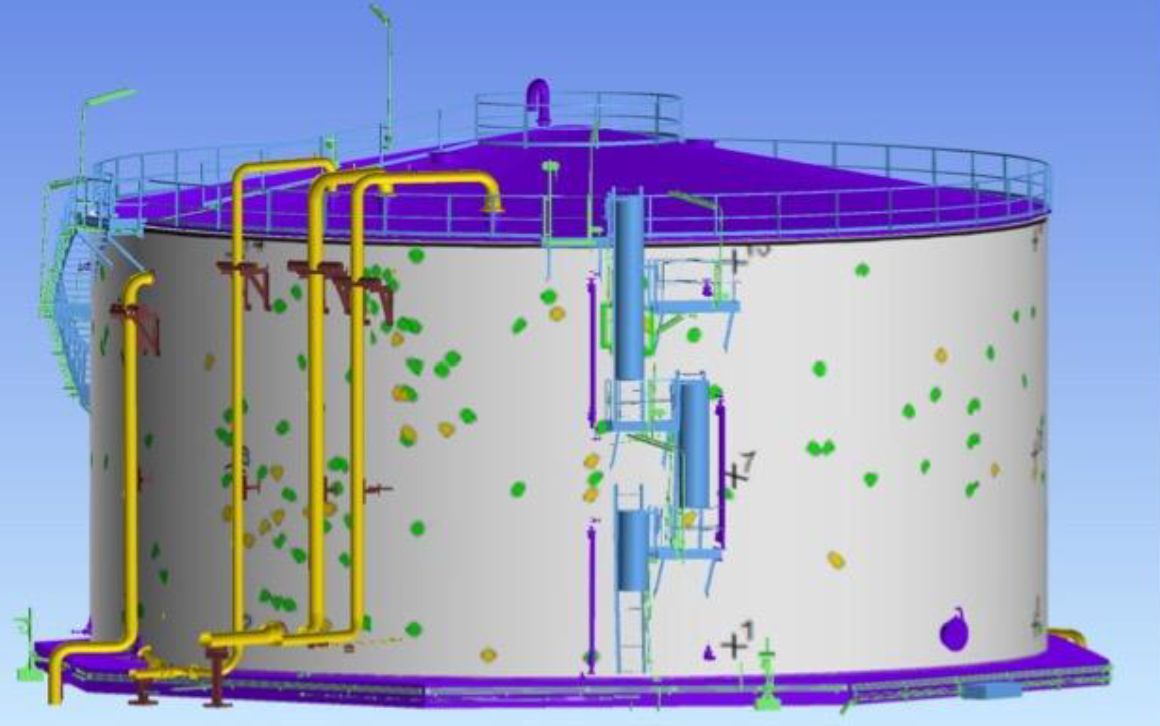
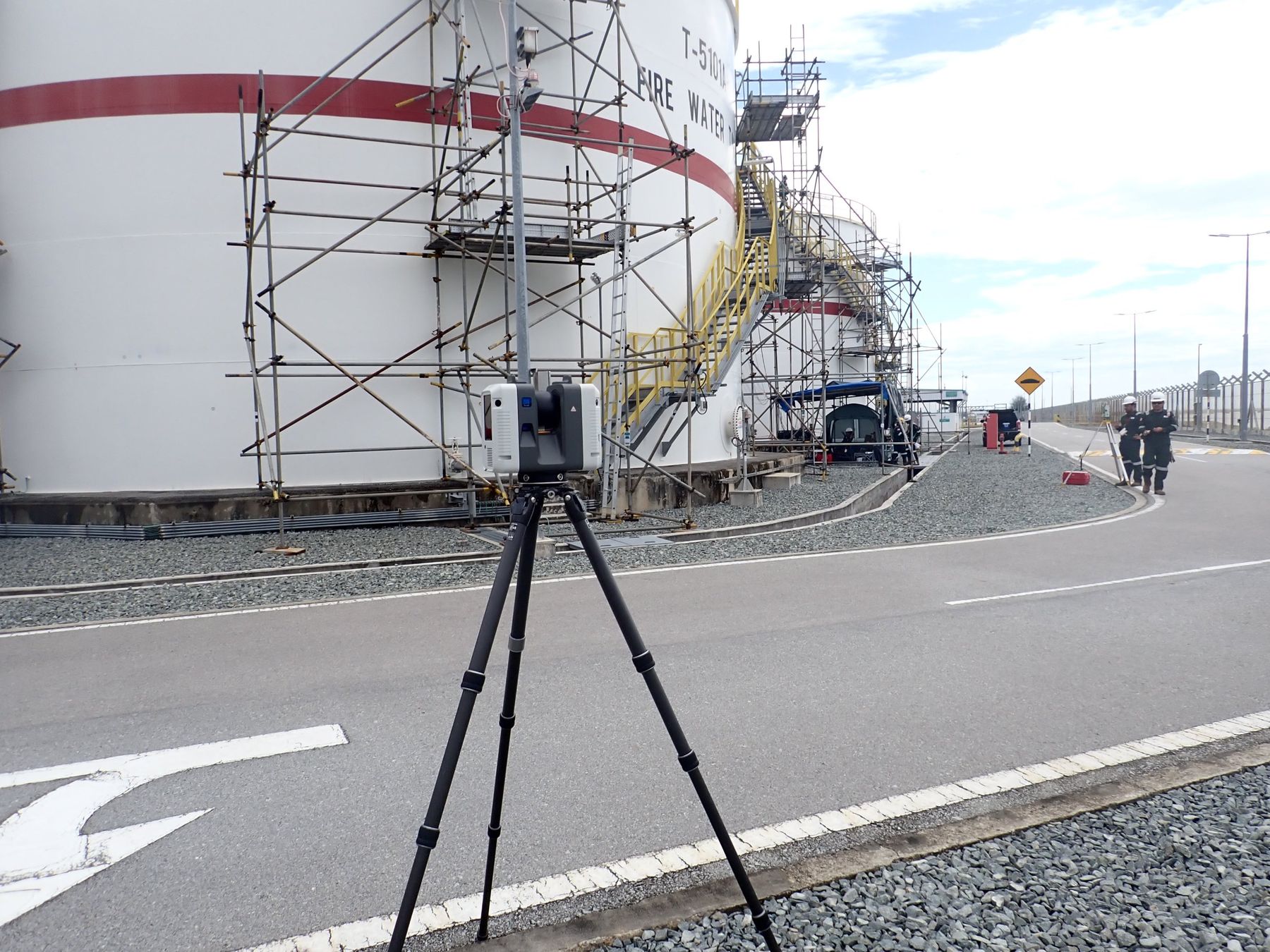
We integrate Acoustic Emission data with precise 3D scan models — defect localisation, condition heatmaps, inspection baselines and trends over time, in one centralised dashboard.
Drag to rotate the storage tank, switch to the tank base, and layer the 3D-scan deformation heatmap with located AE indications.
AE indications show acoustic activity recorded during the test; they are not confirmed defects. Areas with little or no activity are not proof that no defect exists. The deformation heatmap shows geometric deviation from a reference shape, not wall thickness.
Assess suitable tanks and industrial assets while they remain in service — potentially eliminating draining and reducing product transfer, confined-space entry and scaffolding.
Inspection findings can support risk-informed maintenance planning and, where applicable, submissions for revised inspection arrangements, subject to the relevant engineering assessment and regulatory acceptance.
Where repair or replacement cannot take place immediately, AE monitoring can form part of an agreed integrity-management approach, tracking changes in activity to support timely engineering review. It does not replace repair or statutory inspection.
Developing defects identified and inspection history kept — so repairs are prioritised and budgets go further.


We walk the asset with your team to understand access and operating constraints.
We agree the inspection objectives and the information you need for your decision.
We confirm which methods suit the asset, its history and its operation.
Sensor layout, test window, scan plan, safety and site logistics agreed with your team.
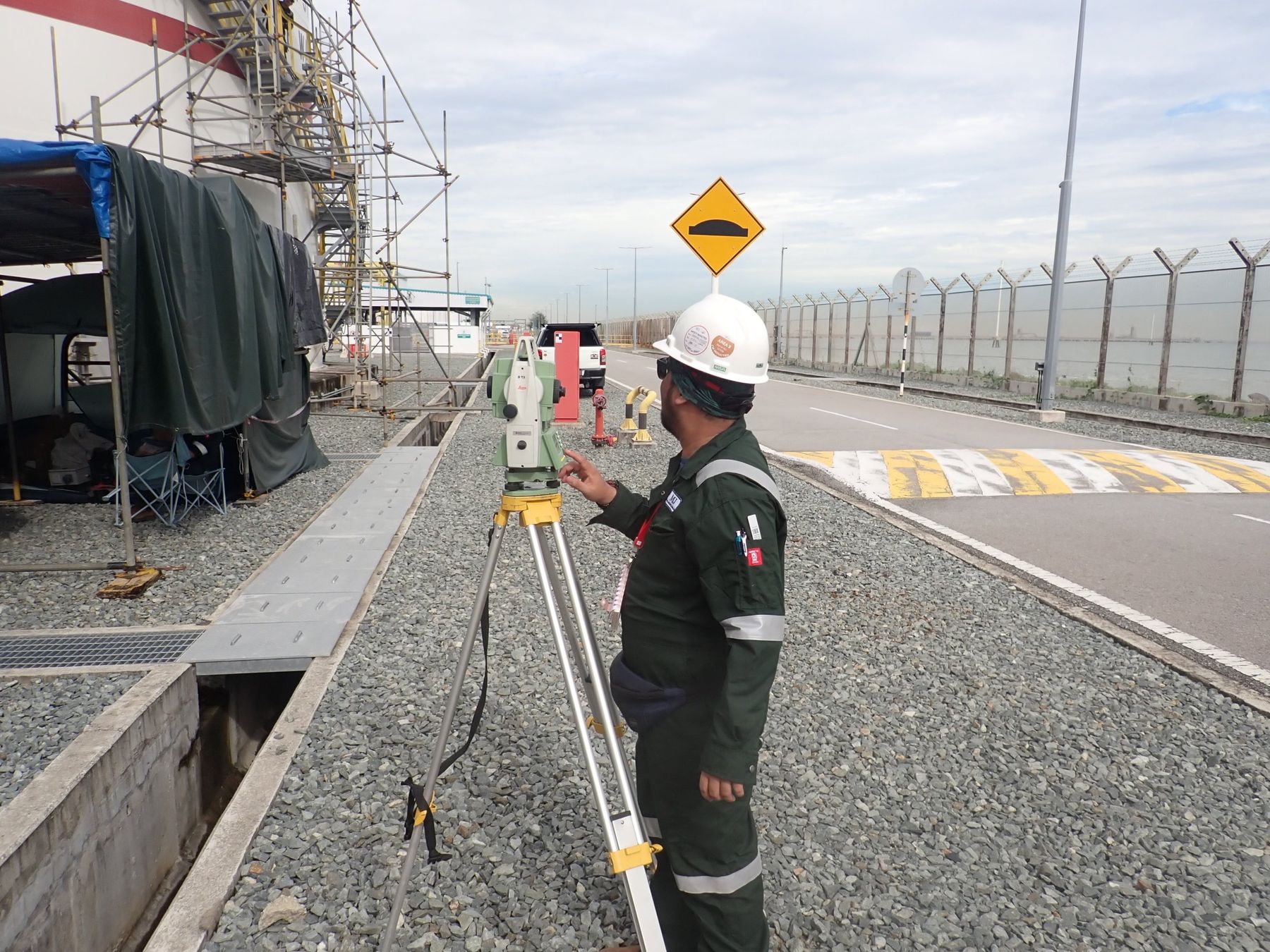
AE testing and 3D scanning by in-house Level I and II personnel, with Level III advisory support.
Clear findings, classified indications, mapped results and follow-up recommendations.
Tell us about the asset. We provide site visits, preliminary technical assessments, inspection planning, on-site execution and engineering reporting — throughout Malaysia and internationally.
We use essential cookies to run this site. With your permission we also use optional analytics and marketing cookies. You can change your choice at any time from “Cookie settings” in the footer. Privacy Notice · Notis Privasi